
Commercial
Real Estate
Fundamentals
Build lasting wealth through understanding the $1.2 trillion commercial real estate market. From NOI to cap rates, learn the metrics that drive intelligent investment decisions.
What is Commercial
Real Estate?
Commercial real estate encompasses income-producing properties designed for business purposes. Unlike residential real estate, CRE properties are leased to tenants for commercial, industrial, or office use, generating rental income and potential appreciation.
The CRE market differs fundamentally from residential: longer lease terms, higher transaction volumes, professional tenant relationships, and sophisticated valuation metrics based on income generation rather than comparable sales.
Explore CRE Fundamentals
Class A Office Tower
Premium corporate space in central business district
Core CRE Metrics
Master these essential metrics to evaluate, analyze, and compare commercial real estate investments with confidence.
Net Operating Income
Annual revenue minus operating expenses. The foundation of CRE valuation that measures property-level profitability.
Cap Rate
NOI divided by property value. The primary metric for comparing unleveraged returns across properties.
Cash-on-Cash Return
Pre-tax cash flow divided by total cash invested. Measures return on your actual cash outlay.
DSCR
NOI divided by debt service. Lenders require this ratio to ensure sufficient cash flow to cover loan payments.
Loan-to-Value
Loan amount divided by property value. Determines leverage level and down payment requirements.
Internal Rate of Return
Total return including cash flow and appreciation. The gold standard for comparing investment performance.

CRE Investment Sectors
Each sector has unique characteristics, risk profiles, and return expectations. Understanding these differences is crucial for building a diversified portfolio.

Multifamily Apartments
Residential buildings with 5+ units. Stable demand, recession-resistant, and excellent for first-time CRE investors.
Explore Multifamily
Industrial & Warehouse
Distribution, logistics, and manufacturing facilities. E-commerce growth has made this sector a top performer.
Explore Industrial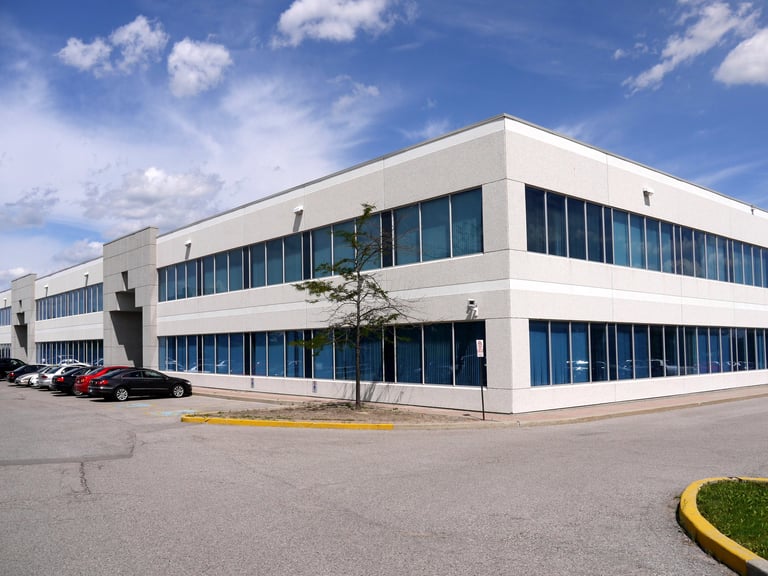
Office Buildings
Class A, B, and C office properties. Location-driven with potential for strong long-term appreciation.
Explore OfficeSix Ways to Invest in CRE
From direct ownership to public markets, commercial real estate offers multiple entry points for investors of all sizes.
Direct Ownership
Full control and all benefits. Higher capital requirements and active management.
Public REITs
Trade like stocks with real estate exposure. High liquidity, daily pricing.
Private Equity Funds
Institutional-quality deals with professional management. Higher minimums apply.
Crowdfunding
Lower minimums, online platforms. Balance of access and complexity.
CRE Debt
Lend against property. Lower risk, fixed income profile with collateral.
Non-Traded REITs & DSTs
1031 exchange eligible. Illiquid but offers unique tax advantages.

Why Learn Commercial
Real Estate?
Commercial real estate has built more generational wealth than any other asset class. Understanding the fundamentals opens doors to tax advantages, portfolio diversification, and income streams that keep pace with inflation.
Inflation Hedge
Property values and rents typically rise with inflation, protecting your purchasing power.
Tangible Asset
Physical property provides security that stocks and bonds cannot match.
Tax Advantages
Depreciation, 1031 exchanges, and pass-through deductions maximize returns.
Ready to Build Your
CRE Knowledge?
Start with fundamentals, explore sectors, and discover the investment path that matches your goals and resources.